
Modern cars hide a lot of tech inside the bumper. Park assist, rear cross-traffic, blind-spot radars, and even front automatic braking often rely on sensors that sit right behind the fascia. After a small tap in an Oakland parking lot, those sensors can shift a few millimeters. That tiny change is enough to throw off readings. Here is how to decide if you need ADAS calibration, what the steps look like, and how Husteads handles it so your features behave the way the manufacturer intended.
Short answer: If the impact touched a sensor area, a bracket, or the bumper cover near a sensor opening, get a scan and expect calibration to be needed.
What is ADAS calibration
Calibration is the process of aligning cameras and sensors so they “see” the world correctly again. There are two main types.
- Static calibration. Targets and measuring tools are set up in a controlled bay. The vehicle is positioned at exact distances and heights. The scan tool tells the system to relearn its reference points.
- Dynamic calibration. A road drive at specified speeds allows sensors or cameras to fine tune alignment while the car moves. Some models require both static and dynamic procedures.
If you want background on why this matters, read NHTSA’s plain-English overview of driver-assistance technologies and how correct setup supports safety. Training resources such as I-CAR’s OEM calibration lookup show that many manufacturers require calibration after bumper or glass work.
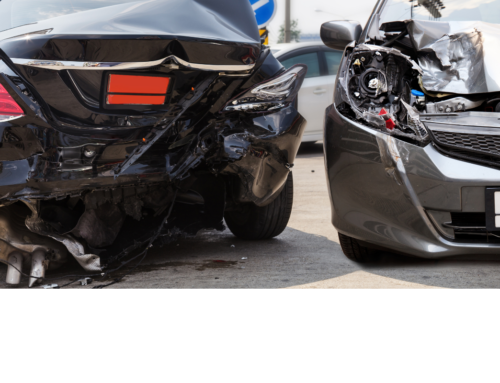
When a “minor” bumper tap can require calibration
Use this checklist after any low-speed hit around Oakland, from Lake Merritt garages to College Avenue street parking.
- Sensor zone was struck near the corner or center of the bumper
- Parking sensors or radar bezels look scuffed or slightly out of level
- Bumper cover shifted and gaps are no longer even
- Warning lights appeared or a feature behaves oddly, such as late beeps or no beeps at all
- Brackets or tabs behind the cover were touched during a repair or parts swap
Even if the dashboard shows no warnings, the aim can still be off. Think of it like a camera that looks sharp but is pointed a few degrees to the side.
What happens at your calibration visit
Start here: Choose the East Bay location that fits your day
Berkeley (Durant Ave) • North Berkeley • Central Berkeley
- Pre-repair scan
We connect a scan tool to capture diagnostic codes and sensor status. This creates a baseline and flags hidden issues. See how this fits our Process. - Blueprint of the bumper area
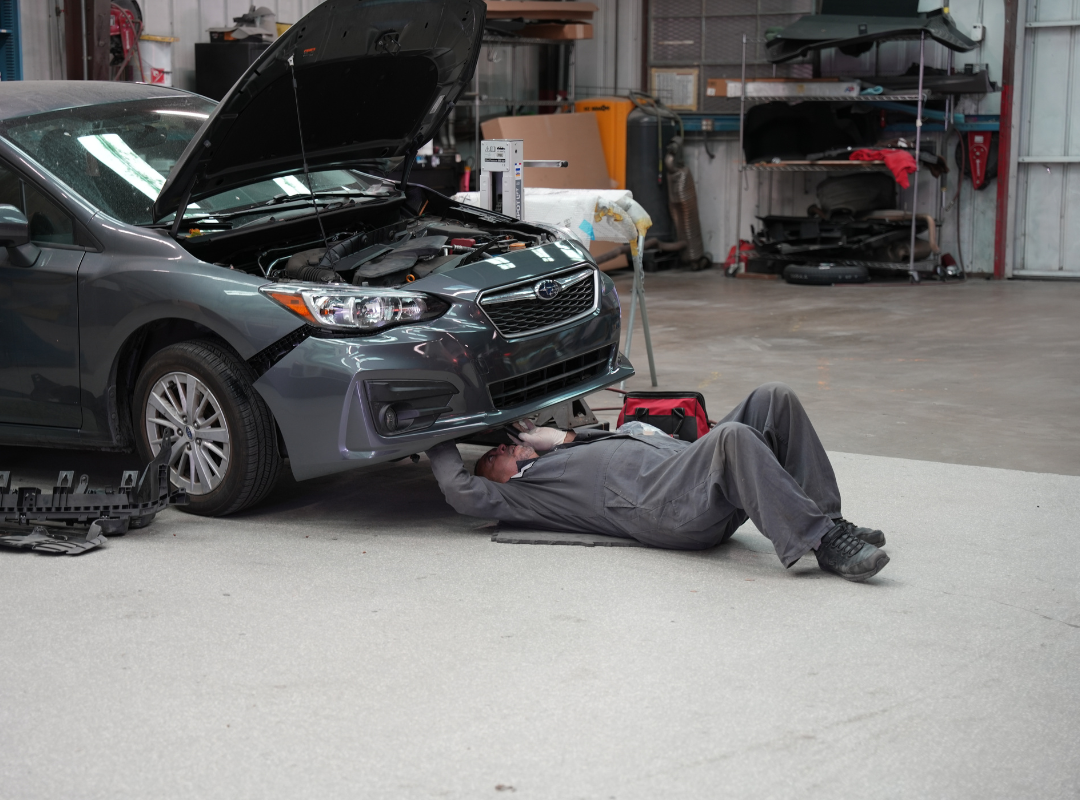
If the cover is coming off for cosmetic work, we inspect sensor brackets, harnesses, and mounting tabs. Small shifts can change radar aim or ultrasonic distance. - Repairs that follow OEM steps
We repair or replace parts to manufacturer specifications. That preparation sets the stage for successful calibration. Learn about our approach in Collision Repair Services. - Static calibration
Targets and fixtures are set at precise distances. The scan tool guides the procedure until each sensor meets spec. - Dynamic calibration
If your model needs it, we perform a road drive under the required conditions and verify results. - Post-repair scan and feature check
We confirm that codes are clear and features behave normally. You leave with documentation of the steps taken.
Common Oakland scenarios and what to do
Corner kiss in a parking structure
The outer corner is a hot spot for blind-spot and rear cross-traffic sensors. Ask for a scan and expect calibration if the bracket or mount was touched.
License-plate level tap
Center hits can affect adaptive cruise or front collision radar on vehicles that place sensors behind the emblem or grille. Calibration is commonly required after parts replacement or realignment.
Cosmetic only refinish
If the cover is refinished without removing sensors or brackets, calibration might not be needed. A scan is still smart to confirm everything is in range.

Insurance and timing
If you are opening a claim, calibration is normally covered when the OEM procedure requires it. We document photos, measurements, and scan results so your file moves smoothly through approvals. For neutral context on claims, the Insurance Information Institute has a straightforward explainer. If you are paying out of pocket for a small cosmetic repair, we can quote calibration as a separate line so you can see the value clearly.
FAQs
Do I always need calibration after a bumper repaint
Not always. If sensors were removed, if the cover was replaced, or if brackets were disturbed, calibration is generally required. A scan will tell us what the system is seeing.
My dash shows no lights. Can I skip it
Lights are helpful, but not definitive. Misalignment can exist without a warning. If the impact involved the sensor area, a scan and evaluation are the safest path.
How long does calibration take
Static procedures can be relatively quick once the bay is set up. Some vehicles add a dynamic drive cycle. We will explain timing when we see your make and model.
Will my features work during the drive-home test
Yes. We verify that parking sensors, blind-spot indicators, and forward aids behave normally before delivery.
Your next steps
- Book a quick estimate or scan at the Berkeley location closest to you.
- Tell us where the bumper was hit and whether features feel different.
- Let us handle the OEM steps and any claim documentation through Claims & Insurance.
When your sensors are calibrated, your tech can do its job. That means better confidence on I-580, clearer alerts in tight Jack London lots, and safety features that respond when you need them most.