
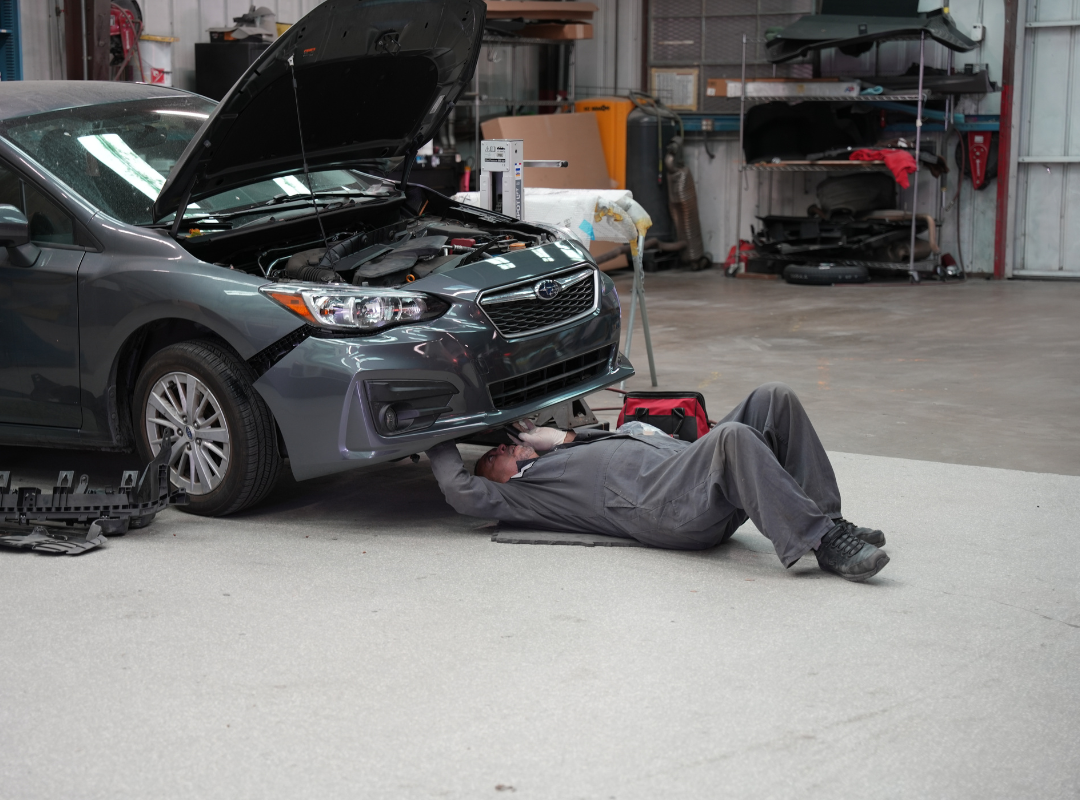
You want a steady timeline and no last-minute “we found more” calls. That is exactly what blueprinting is designed to prevent. In collision repair, blueprinting is a focused teardown and inspection that happens before major work begins. It confirms what is damaged, what must be ordered, and which safety systems might need calibration. The result is fewer surprises, clearer approvals, and a smoother path from estimate to delivery in Berkeley.
Quick answer: Blueprinting verifies parts and procedures up front. It reduces mid-repair supplements, helps your insurer approve the plan faster, and keeps your repair on schedule.
What blueprinting includes
- Targeted teardown in the impact zone: remove trim and covers so we can see brackets, tabs, absorbers, and reinforcements.
- Structural and fit checks: measure gaps and lines, test latch and hinge operation, and look for crush marks behind the scenes.
- Sensor and camera mapping: note ADAS locations so scans and calibrations are planned correctly.
- Parts and materials list: confirm what to order and which procedures the manufacturer requires.
For a professional explanation of why repair planning matters, review I-CAR’s repair planning resources and their guidance on mapping procedures before work begins.
Why blueprinting prevents surprises
1) Hidden damage is real
Bumper covers can look fine while the energy absorber or reinforcement bar behind them is stressed. Tabs can be cracked yet hidden by paint. A short teardown shows the truth so the estimate matches reality.
2) Fewer supplements
A supplement is an estimate change after work starts. By confirming parts and procedures up front, we reduce mid-repair changes that slow approvals.
3) Safety systems rely on accuracy
Modern vehicles use cameras, radar, and ultrasonic sensors. If the hit touched any of those zones, we plan pre and post scans and any calibration before painting or reassembly. For context on why this matters, see NHTSA’s driver assistance overview. Research from IIHS on front crash prevention also shows how well these systems work when set up correctly.
What we look for during blueprinting in Berkeley
- Bumper corner impacts: sensor brackets, wiring, tabs, energy absorbers, reinforcement bars
- Front hits near the grille or emblem: adaptive cruise control radar, camera mounts, radiator supports
- Rear quarter or hatch hits: rear cross-traffic sensors, blind-spot modules, tail lamp mounting points
- Windshield and roof areas: forward camera modules, rain sensors, roof rails and weld points
- Doors and quarter panels: intrusion beam alignment, latch and striker engagement, window guides

How blueprinting helps your approval and timeline
- Estimate accuracy: the parts list and labor operations match what is truly needed.
- Cleaner insurer file: we attach photos and procedure notes. If you want a neutral explainer of claim steps, see the Insurance Information Institute’s guide.
- Scheduling confidence: once parts availability is known, we set a start date and a realistic completion range.
- Fewer stop-and-starts: catching issues before paint prevents rework that adds days.
What blueprinting means for ADAS and calibration
If the impact touched a bumper, grille, mirror, or windshield area, blueprinting lets us plan any required static or dynamic calibration ahead of time. That means the bay, targets, and drive route are ready when the car reaches that stage. You get a steady timeline, and your features work as intended at delivery.
Learn more about our sequence in Our Process and the finishing steps in Our Process — Paint Repair.
What you can do to make blueprinting faster
- Bring clear photos in daylight from multiple angles plus close-ups of gaps and lights.
- Share your claim number if you have one and your preferred contact method.
- Tell us about any warning lights or odd sensor behavior since the collision.
- Choose the Berkeley location that fits your day so drop-off and pickup are easy:
Durant Ave • North Berkeley • Central Berkeley
FAQs
Does every repair need blueprinting
Light cosmetic work may need only a quick check. Corner hits, bumper strikes, and any impact near sensors benefit from a focused teardown.
Will blueprinting slow my repair
It usually saves time. A short teardown up front prevents change orders and rework later.
Do scans always mean calibration too
Not always. Scans read system status. Calibration is required when sensors or their mounts were disturbed or replaced. We plan both steps as needed.
Can I see what you found
Yes. We document photos during blueprinting and explain any changes to the estimate before work begins.
Ready to avoid mid-repair surprises
Start with an estimate at the Berkeley location that works best for you. We will blueprint the impact area, confirm parts and procedures, and give you a timeline you can plan around.
👉 Book in Berkeley: Durant Ave • North Berkeley • Central Berkeley
Explore services in Collision Repair Services and how we move from estimate to delivery in Our Process